The reading crisis has a solution that fits in a child's hands.
Bawat batang Pilipino, bumabasa.
Little Wordsmiths ECP is a complete early-childhood literacy ecosystem, a picture-first word universe, a printed book bridged by QR codes, and live classroom dashboards, engineered around how young brains actually learn to read. Designed for ages 2–8. Built for Philippine classrooms.
K–3 focusedTagalog + English by design25 languagesZero new hardwarePrint + digital in one system
Basahin natin! 📖
B-U-T-T-E-R-F-L-Y
Tagalog + English 🇵🇭
The reality on the ground
Where Philippine literacy stands today
These are not projections. They are the published findings of the Department of Education's own assessments and the country's leading education studies, and every one of them points to the same intervention window: the earliest grades.
1 in 3
Grade 1–3 learners are “low emerging readers”, able to decode only 3 of 10 simple words
Independent estimates put the annual economic loss from Philippine illiteracy at roughly $4.72 billion in foregone earnings, lost productivity, and reduced employability. Education spending sits at 3.6% of GDP, below the UNESCO-recommended 4–6%. Inaction is not the cheap option.
Little Wordsmiths isn't a digital flashcard deck. Every screen, sound, and stroke is an application of established cognitive research on early literacy.
90%
The brain is built before Grade 1
Roughly 90% of brain development happens before age five, with more than a million new neural connections forming every second in the earliest years. Vocabulary wired in this window becomes the foundation every later subject stands on.
How WS uses it: the program starts at age 2, years before formal schooling, so children arrive at Grade 1 with a word bank already built.
Words alone
10%
Words + picture
65%
Pictures make words stick
Three days after learning, people retain about 10% of information presented as text, but around 65% when a relevant image is paired with it. Cognitive scientists call it the picture-superiority effect, rooted in dual-coding theory: image and word stored together are remembered together.
How WS uses it: every one of our words is met as a custom storybook illustration first, picture, then sound, then spelling.
The hand teaches the eye
fMRI studies show that when children hand-write and trace letters, but not when they type them, the brain's reading circuit activates. Forming letters by hand builds the neural pathways that letter recognition and fluent reading depend on.
How WS uses it: the draw-and-trace canvas has children finger-trace every letter of every word, handwriting practice and decoding fused into one joyful action.
L2 only
Mother-tongue first
Mother tongue is the bridge, not the detour
Decades of UNESCO research are unambiguous: children who build literacy in their first language learn to read, and later master English, faster and more deeply than children pushed into a second language cold. Strong Tagalog vocabulary accelerates English vocabulary.
How WS uses it: Tagalog is a first-class language in the system. Every word can be seen and heard in Tagalog and English side by side, plus 23 more languages.
The economics agree with the neuroscience
Nobel laureate James Heckman's research shows early-childhood learning programs return up to 13% per year, per child, the highest-yield education investment a government can make. Every peso spent at age 4 outworks a peso spent at 14.
How WS uses it: ECP concentrates 100% of its design on ages 2–8, the years where the return is steepest.
0Mword gap
Vocabulary at 5 predicts reading at 9
Landmark research found children from language-rich environments hear tens of millions more words by age four than their peers, and that early vocabulary size is one of the strongest predictors of Grade 3 reading comprehension, the very milestone CRLA measures.
How WS uses it: a curated library scaling to 4,000 words floods a child's world with rich, repeated, multi-sensory word encounters, at school and at home.
Problem → Solution
Every barrier on the ground has an answer in the system
Tap a challenge to see exactly how the ECP ecosystem answers it. No single feature is the solution, the system is.
One system, every surface
One content hub. Five ways a child meets words.
Not an app with extras, an ecosystem. A central content hub holds every word, meaning, image, and translation, and pushes it to every surface a Filipino child and their teachers touch.
Picture-first words, tap-to-hear, draw & trace, runs in any browser, no special hardware
📖
Print Book
“My First 1000 Words”, for homes without devices
🔗
QR Bridge
Scan any word in the book → hear it spoken, in Tagalog or English
🏫
Dashboards
Teacher, school & division views of every learner's progress
📊
Reporting
Engagement & progress data aligned to CRLA categories
Update a word, an image, or a Tagalog translation once in the hub, every app, dashboard, and QR code updates instantly. No reprints, no app-store releases, no retraining.
Built for everyone in a child's learning circle
From a parent's kitchen table to a government office, one ecosystem, five audiences
Little Wordsmiths ECP serves the entire chain of people who shape a child's literacy, and gives each of them exactly what they need.
For parents and guardians
A reading partner for the home, not a screen-time guilt trip
You want your child to love books. But bedtime stories shouldn't be a battle, and a tablet shouldn't be a worry. ECP turns home reading into something the whole family looks forward to, and gives you a clear view of how your child is growing.
What you get
A safe reading universe: no ads, parental gate, no in-app purchases, no external links
Tagalog and English on every word: your home language is celebrated, not sidelined
The printed book: for bedtime reading at home, no screen needed
A parent dashboard: see what your child has mastered and what they're stuck on
What it means: your child arrives at Grade 1 ready to read, and you've been their reading partner the whole way.
For teachers and ARAL tutors
More minutes teaching. Fewer hours on admin.
You teach 40+ children. You want every one of them reading by Grade 3. You don't have time for software that adds paperwork instead of removing it. ECP was designed by listening to what teachers actually need at 7am, in a real classroom.
What you get
Ready-made daily word activities: picture, sound, syllables, sentence, all prepared
Automatic progress tracking: every tap and trace logged, no manual record-keeping
Class dashboard: see exactly which child is stuck on which sound
ARAL-Reading-ready remediation: perfect session material for low-emerging readers
One-day orientation, not a week-long course
What it means: a class that grows visibly week by week, and a teacher whose evenings belong to their family again.
For principals and school heads
A literacy program that runs the same way in every classroom
Patchwork apps and inconsistent materials are how reading programs fail. Your school needs one coherent K–3 literacy program that every teacher uses the same way, and a single, honest picture of how your school is moving.
What you get
One program, every K–3 classroom: same library, same characters, same standards
School master dashboard rolling up every class and teacher
Fits Bayang Bumabasa & school-led Literacy Improvement Plans: works within the ₱1M envelope
Teacher onboarding included: plus ongoing support, not just a handoff
Printed books for every learner: extending the program to every home
What it means: your school's CRLA scores improve year over year, and the credit is yours, not a vendor's.
For school boards and division offices
Measurable outcomes you can defend in a board meeting
You answer to families, taxpayers, and the next inspection. You can't defend a program with vague promises. You need a literacy investment that's measured by the same instrument DepEd already trusts, and reports honestly, school by school.
What you get
CRLA-aligned reporting: pre/post movement across emerging, developing, and at-grade-level
Transparent per-school pricing: fits LGU SEF and Bayang Bumabasa envelopes
Division-level dashboard: every school, every class, side by side
Quarterly accountability reports from a dedicated implementation team
A vendor that answers to your timelines, not the other way around
What it means: reading outcomes become measurable across your jurisdiction, improvements you can defend, line-item by line-item.
For the Department of Education
A literacy partner built for the structures you've already created
You are accountable for 28 million learners and a 4.5-million-strong early-grade reading gap. You don't need another vertical program. You need a content layer that slots into ARAL-Reading, Bayang Bumabasa, the AI Library Hubs, and the CRLA cycle, without a new budget line or a new bureaucracy.
What you get
Aligned end-to-end with the 5-Point Reform Agenda
Deploys inside ARAL-Reading as ready-made tutoring content
Funded inside Bayang Bumabasa: no new budget line required
CRLA-aligned national reporting: class → school → division → national, in one chain
A complete K–3 ecosystem ready to scale on evidence, not on faith
What it means: every initiative you've already launched gains a coherent content partner, and the reading crisis becomes a measurable, manageable national project.
Every feature, end to end
Inside the system, and what each piece does for a child's future
Three surfaces, one learning record. Explore what's inside the app, the book, and the dashboards, and how each feature compounds into lifelong learning.
🖼️
Picture-first word cards
Every word opens as a custom storybook illustration with definition, example sentence, syllables, and synonyms, meaning before mechanics.
🔊
Tap-to-hear in 25 languages
One tap speaks the word aloud, Tagalog and English side by side, plus 23 more languages for multilingual homes and classrooms.
✍️
Draw & trace canvas
Children finger-trace every letter of the whole word; letter bubbles turn green as each is mastered. Handwriting and decoding in one motion.
🎠
Multiple-meaning carousel
“Bat” the animal and “bat” for baseball each get their own card, image, and translations, children swipe between senses, building real comprehension.
🌞
Word of the Day
A fresh word greets every child daily, the spaced, repeated exposure that vocabulary research says builds permanent word banks.
🗂️
Browse by category
Animals, food, nature, actions, colors and more, children explore words the way they explore the world: by curiosity.
🦉
Eight learning buddies
Each child picks a companion, Sky the Owl and seven diverse friends, who guides every word. Belonging keeps them coming back.
🎬
Word videos
Short, calm animations bring words to life, never overstimulating, always storybook-warm.
🛡️
Child-safe by design
Parental gate, no ads, no external links, guest mode for instant classroom access on any shared device.
Future-learning impact: every tap builds the same asset, a deep early vocabulary, the single strongest predictor of Grade 3 comprehension, Grade 6 fluency, and a lifetime of confident learning.
📖
“My First 1000 Words”
A premium hardcover that carries the program into every home, the same words, the same beloved illustrations as the app. One universe, two formats.
🔗
A QR code on every word
Any family phone scans a word and hears it pronounced, with smart routing that can serve Tagalog, English, or another language automatically.
🧒
Character-guided pages
The same eight buddies from the app walk children through the book, so home reading feels like a continuation, not a different product.
🔍
Built-in activities
“Can you find?” seek-games and activity blocks turn passive page-turning into active word hunting, perfect for parent-child reading time.
📖
A print layer for every home
The printed word book puts the same words in front of a child with no device needed. Where a connection is available, scanning a word adds spoken audio.
♻️
Codes that never go stale
QR destinations are managed centrally, pronunciation, languages, and content behind every code can be improved after printing. The book gets better over time.
Future-learning impact: print exposure at home is one of the strongest known predictors of reading success, the book puts daily print in 100% of homes, not just connected ones, and the QR bridge turns every parent's phone into a pronunciation coach.
🧑🏫
Teacher class dashboard
See every learner's words mastered, words struggled with, and time-on-task, automatically, with zero added paperwork.
🏫
School master view
Principals see every class at a glance; division offices roll schools up into one literacy picture, aligned to CRLA reading profiles.
👨👩👧
Many adults, one child
Parent, teacher, and tutor can all monitor the same child's single learning record, home and school finally see the same progress.
📊
Evidence-grade reporting
Engagement and progress data structured for honest pre/post comparison, built for the data-driven policymaking the education system is moving toward.
⚡
Instant content updates
New words, better images, added languages flow from the central hub to every classroom overnight, no retraining, no reinstalls, no reprints.
🤝
Fits existing programs
Ready-made session material for ARAL-Reading tutors and a turnkey option for school-led literacy improvement plans.
Future-learning impact: when a struggling reader is visible in week 3 instead of year 3, intervention happens while the brain's reading window is still wide open, and every peso of literacy spending becomes measurable.
Why picture-first works
A word a child can see is a word a child can keep
Each illustrated word pairs image, sound, syllables, spelling, and a sentence, the exact decoding-to-meaning chain early-grade assessments measure. Switch the language, then tap a card to hear the word spoken aloud.
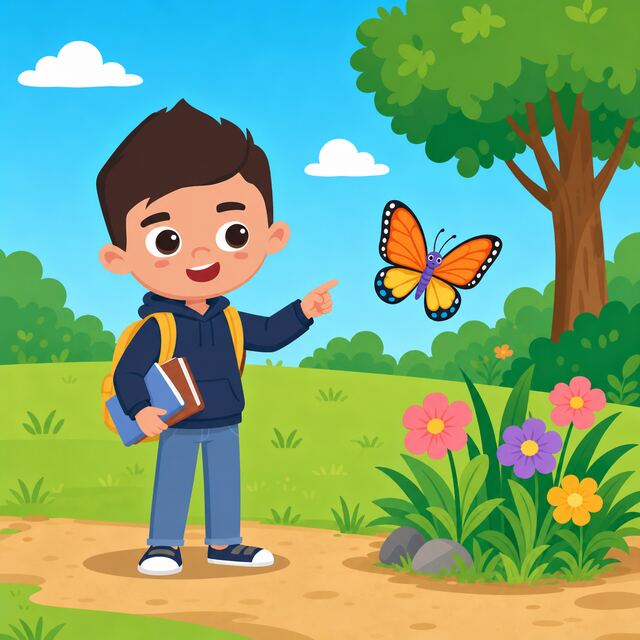
ButterflyBut·ter·fly · Paruparo
🔊
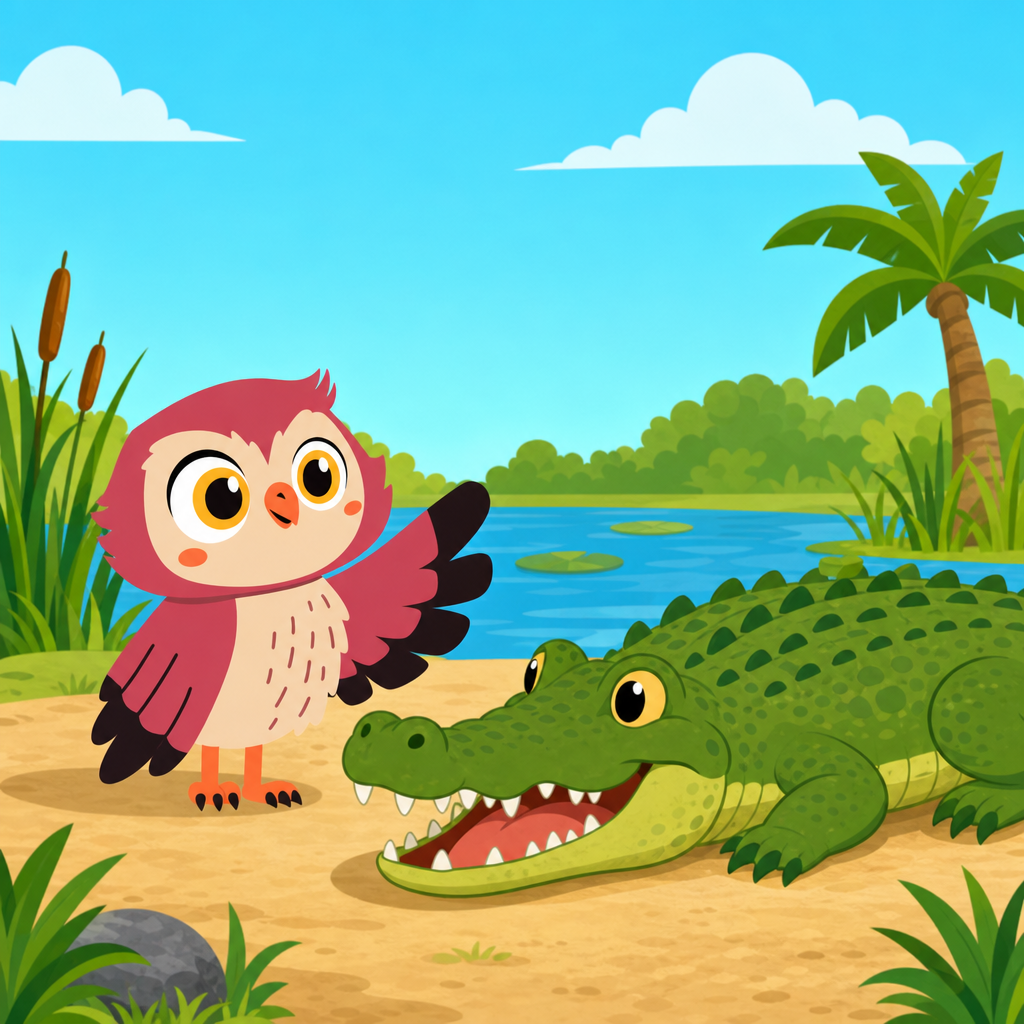
AlligatorAl·li·ga·tor · Buwaya
🔊
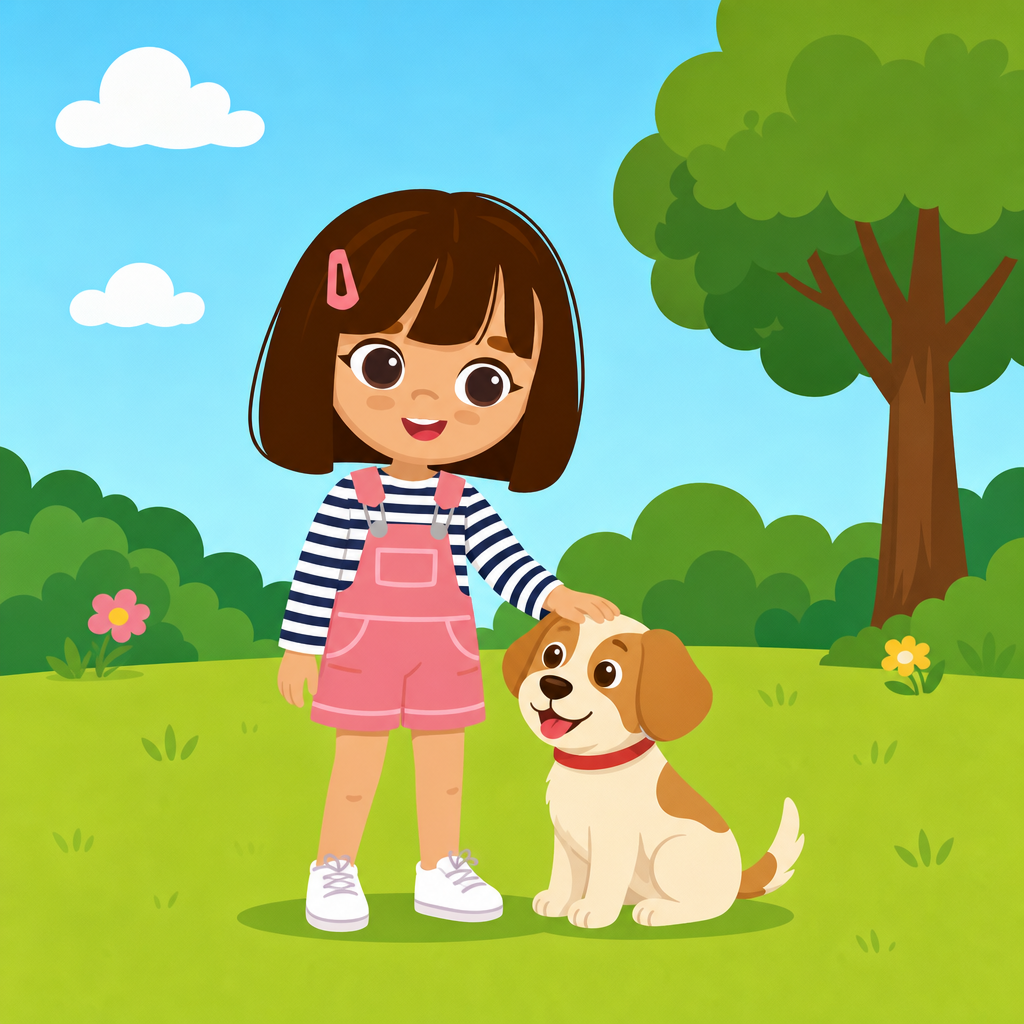
DogDog · Aso
🔊
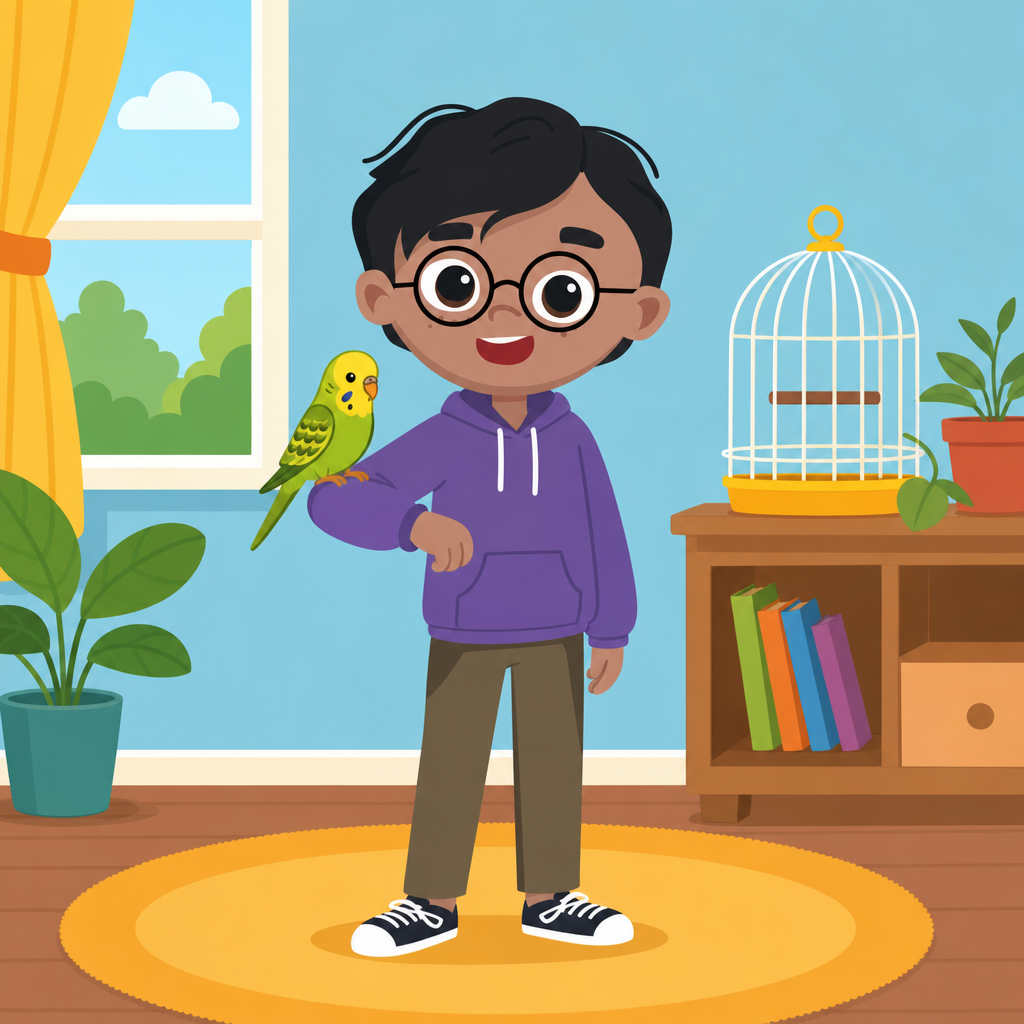
BirdBird · Ibon
🔊
🔊 Live audio in English and Tagalog, and every word in the library is spoken aloud in up to 25 languages.
Designed for Philippine realities
From Metro Manila to the last-mile school
A literacy program for the Philippines cannot assume a tablet in every home. ECP was designed to reach children across a range of home settings, devices, and languages.
📶
No new hardware required
The app runs in any web browser on the devices schools already have, shared classroom tablets, computer labs, or a parent's phone. One device can serve a whole reading circle.
📚
A printed book for every home
The printed word book puts the same words in front of children at home, with no device needed. Where a connection is available, scanning a word adds spoken audio.
🇵🇭
Tagalog-English by design
Tagalog is a first-class language in our 25-language hub. Children hear and read each word in both languages, reinforcing mother-tongue foundations while building English vocabulary.
Aligned with the Department of Education's own roadmap
One WS answer for every point of the 5-Point Reform Agenda
The Department of Education's 5-Point Reform Agenda sets the framework for every initiative now in motion, from ARAL-Reading to Bayang Bumabasa to the AI Library Hubs. Little Wordsmiths ECP was designed to slot into all five priorities, not just one.
POINT 1
An Enabling Learning Environment
Schools, classrooms, and tools that make daily learning possible, even where infrastructure is thin.
WS answerRuns on the devices schools already own. The printed book extends the same library into homes without a device.
POINT 2
Teacher Welfare & Support
Reduce administrative load. Give teachers tools, not more paperwork.
WS answerProgress tracking is automatic. Ready-made content for ARAL-Reading sessions. Zero new lesson prep required.
POINT 3
Learner Well-being
Calm, safe, joyful learning experiences anchored to each child's pace and language.
WS answerStorybook-warm design. Tagalog + English on every word. Eight friendly buddies. No ads, no overstimulation, parental gate by default.
POINT 4
Efficient Learning Delivery
Multiple modes, in-class, at-home, remediation, recovery, drawing from one trusted content source.
WS answerOne content hub feeds the app, the book, ARAL tutors, teachers, and parents. Update once, everyone sees it.
POINT 5
Future-Ready Workforce
Build the literacy foundation today's children will need to thrive in tomorrow's economy.
WS answer4,000 words mastered by Grade 3, the foundation every later subject, exam, and job application stands on.
Five priorities. One ecosystem built to advance all of them at once.
The bigger vision
Why stop at words on a screen?
A child doesn't learn in one format, they watch, they hold, they play, they repeat. Little Wordsmiths is built as one growing universe: the same words, the same beloved characters, meeting the child in every medium they love. Each layer reinforces the last.
Today
📚
Words, everywhere a child is
The foundation layer, live now and ready for classrooms.
The picture-first learning app, in Tagalog and English
“My First 1000 Words” print book with QR audio
Teacher, school, and division dashboards
Why it matters: vocabulary is the foundation every later subject stands on.
Next
🎬
Educational video series
Sky the Owl and the eight buddies star in calm, storybook-style animated episodes, each one built around words children are learning in the app and book.
Produced in multiple languages, Tagalog first
Episodes mapped to the same word library, screen time that reinforces, not replaces
Flows directly into classrooms: a teacher plays the episode, the class traces the words
The science: children measurably learn more from characters they know and trust, the documented “Sesame Street effect.”
Beyond
🧸
Learning they can hold
Physical learning tools that bring the same characters and words into a child's hands, because the youngest learners learn through touch.
Plush learning buddies, Sky the Owl and friends
Flashcard sets, worksheets, and classroom kits
Word-hunt games and activity boxes for home and school
The science: embodied learning, pairing words with physical objects and movement deepens memory in early childhood.
One universe, one word library, one learning record, watched, read, held, and traced, growing with the child from age 2 through Grade 3 and beyond.
A national story, still being written
Every generation has widened the door to education
For four decades, Philippine lawmakers, sometimes across generations of the same family, have fought to open every level of schooling to every Filipino child. The doors are open. The next chapter is making sure every child who walks through them can read.
1988
Public high school opens to every family
Republic Act 6655 opens public secondary school to every Filipino family, a generational landmark in access.
2012
Kindergarten becomes universal
The Kindergarten Education Act (RA 10157) makes kindergarten universal and compulsory, the State formally recognizes that learning starts before Grade 1.
2013
Basic education is modernized
The K-to-12 reform (RA 10533) restructures basic education to match the world's standards.
2017
State universities open to every family
The Universal Access to Quality Tertiary Education Act (RA 10931) removes tuition barriers at state universities, access reaches all the way to the top.
2024
The system turns to recovery
The ARAL Program Act (RA 12028) creates a national tutoring system for reading, math, and science, the law admits what the data shows: access without foundations is not enough.
2025
Reading becomes the priority
ARAL-Reading leads the rollout, the Bayang Bumabasa fund reaches 131 priority schools, and a ₱1-billion Library Hubs program targets reading proficiency school by school.
Next
The first 1,000 words
Access has been won, level by level. What remains is the earliest foundation of all, the words a child carries into kindergarten. Little Wordsmiths ECP exists to write that chapter: every Filipino child arriving at Grade 1 with a thousand words already in hand.
High school for every Filipino. Kindergarten for every child. State universities for every family. Access has been won, level by level. The next great investment is the words children carry through those open doors, a proven, accountable early-literacy program, priced for the funding structures already in place, starting at age two, in Tagalog and English.
The implementation blueprint
Fits the ₱1M Bayang Bumabasa envelope. Measured by the CRLA. Built to run inside ARAL-Reading.
Little Wordsmiths ECP is a professionally built, paid program, priced per school, with clear deliverables and accountability built in. It deploys inside structures the Department of Education has already built, ARAL-Reading tutorials, the Bayang Bumabasa school grants, LGU Special Education Funds, and the CRLA measurement cycle, so funding it requires no new budget line, and adopting it requires no new bureaucracy.
Phase 1 · Months 1–2
Launch in priority schools
K–3 classrooms drawn from CRLA priority lists, including GIDA schools
App access + printed word books for every learner
One-day teacher orientation; dashboards switched on
Phase 2 · The school year
Run alongside ARAL-Reading
Daily word practice in class and at home via book + QR
ARAL tutors draw session material from the ECP library
Teachers and division offices monitor progress live
Phase 3 · Year end
Measure with CRLA, scale on evidence
Pre/post CRLA movement: emerging → developing → at grade level
Full transparent report to DepEd and EDCOM II
If the data says scale, the system is built to scale
What the education system gets
A complete K–3 literacy program with zero infrastructure build
Transparent per-school pricing that fits within the Bayang Bumabasa ₱1M-per-school envelope
Live, division-level visibility into early-grade reading engagement
Evidence measured by DepEd's own CRLA, not vendor metrics
What Little Wordsmiths provides
App access for every participating classroom + printed word books
Tagalog-English content tuning with DepEd reading specialists
Teacher onboarding, support, and dashboard training
A dedicated implementation team reporting quarterly
Hi Mr. Angara! 🦉 I'm Sky the Owl, the friend who guides every child through their very first words.
Sky the Owl
Hello, Mr. Angara! I'm Adam. Every new word opens up a brand-new world for me.
Adam
Magandang araw po, Mr. Angara! Ako si Alysa, every word I learn is a brand-new friend.
Alysa
Hi Mr. Angara! I'm Carlos. Reading takes me on adventures, no matter how small our classroom is.
Carlos
Mr. Angara, I'm Olivia! 🌸 Let's read, count, and play with words together!
Olivia
Hi Mr. Angara, I'm Rohit! I love that I can learn new words in any language, even Tagalog!
Rohit
Hello Mr. Angara, I'm Zuri! Every word I find is a little treasure I get to keep forever.
Zuri
Mr. Angara, I'm Prof. William. 👓 Together, I believe we can teach every Filipino child to read by Grade 3.
Prof. William
👋 Hover or tap a buddy, they have something to say.
4.5 million early readers are waiting.
The science is settled. The data is published. The system is built. What remains is the decision to put it in children's hands, and we are ready to demonstrate it, live, in any classroom in the Philippines.